This one is for BobCAD. 
When your board is going into space, reliability takes on a whole different meaning. A failure isn’t just an inconvenience, and repair or replacement may not even be an option. Duh.
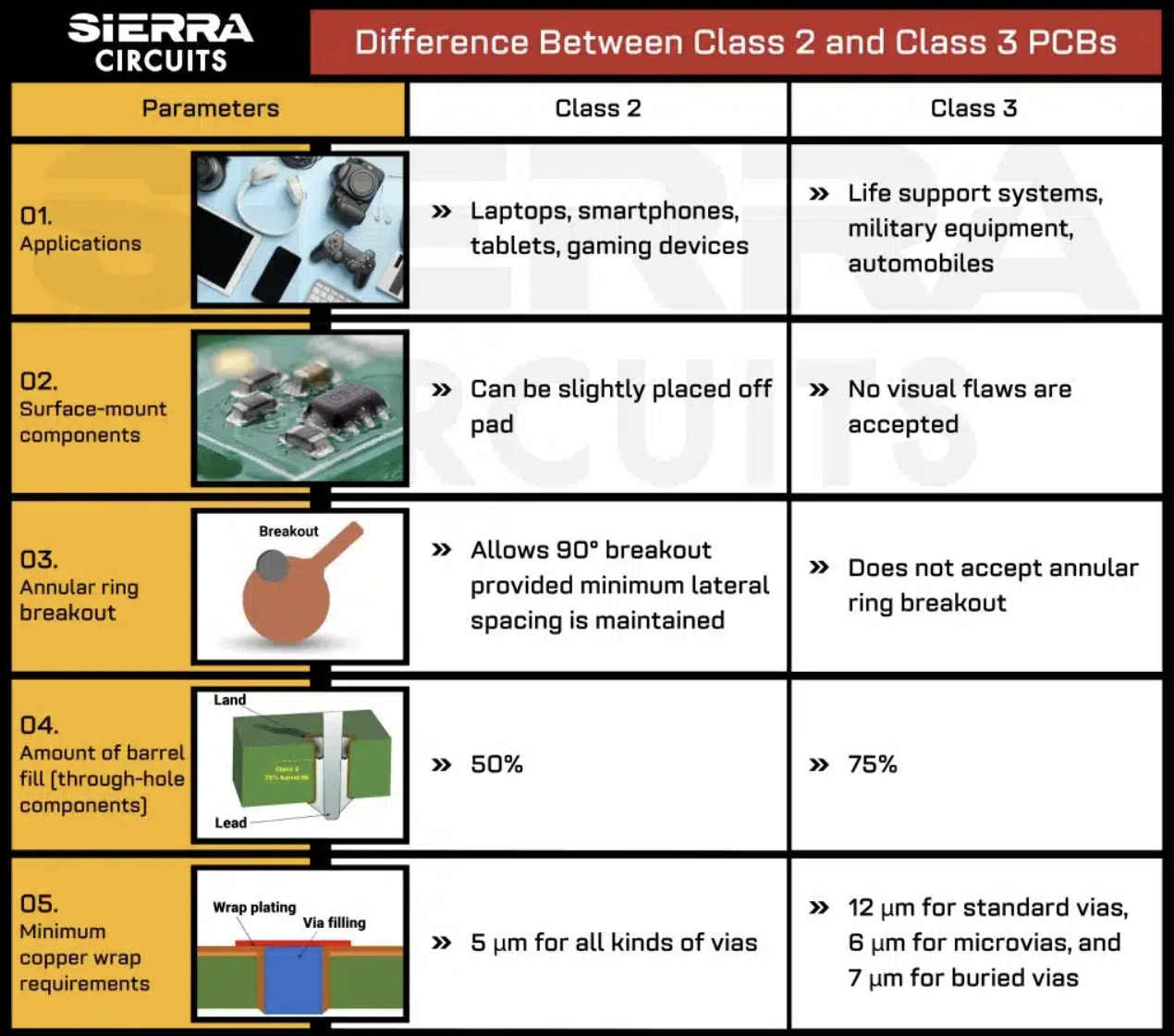
IPC Class 3 sets stringent requirements for high-reliability electronics, from annular ring integrity and plating thickness to tighter inspection and testing. For space and military avionics, IPC-6012FS adds another layer of requirements to account for challenges such as vibration, thermal cycling, and demanding acceptance testing.
But meeting a standard is only part of designing hardware that can survive a mission.
We (BobCAD and I) would like to hear from engineers with experience in space, satellite, aerospace, or other mission-critical electronics:
• What design decisions become especially important when a PCB is going to space?
• How do Class 3 requirements influence your layout, particularly vias, annular rings, and interconnects?
• What additional testing or qualification do you consider essential?
• How do you design for redundancy when failure isn’t an option?
• What real-world lessons have you learned that aren’t obvious from reading the standards?
Share your experience, PCB people!
Oh, and of course, we have an IPC Class 3 Design Guide.
